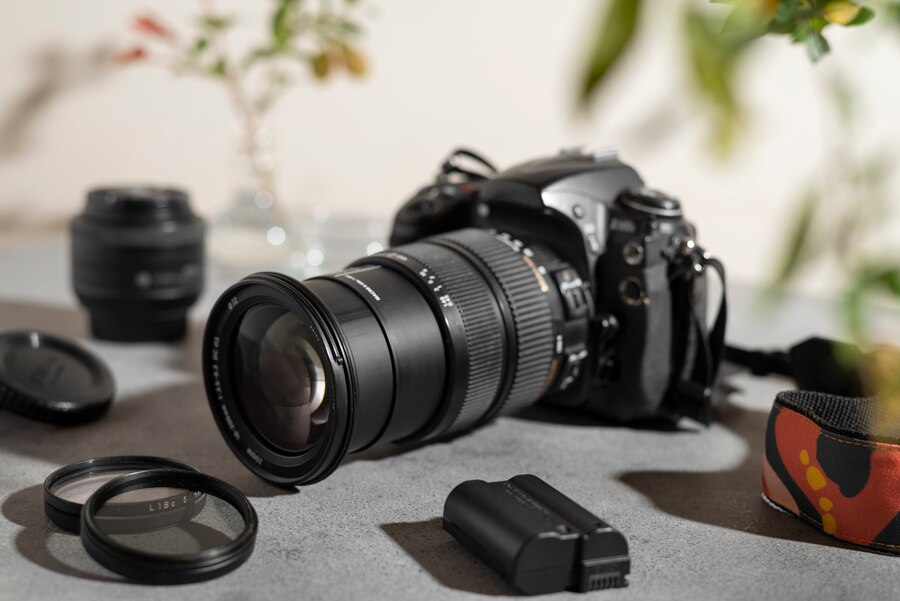
Welcome to Zoe Lensz, where the world of photography equipment gets a touch of elegance and premium quality. Imagine a place where every lens tells a story, and each camera opens up a universe of creativity. At Zoe Lensz, we curate only the finest photography tools to elevate your craft. From sleek tripods to high-definition lenses, our collection promises to turn every shot into a masterpiece. Driven by a passion for the art of photography, we are dedicated to offering you gear that not only performs exceptionally but also inspires. Trust Zoe Lensz to be your partner in capturing lifes exquisite moments. Discover the beauty, connect with the community, and let your journey begin here.
In the modern world, where sustainability has become more than just a buzzword, photographers are increasingly looking for ways to make their craft more eco-friendly. Photography, while seemingly harmless, can have an environmental impact through the materials and energy it consumes. From film processing to digital equipment production, each step of photography leaves a footprint. So, how can we as photographers capture the world without compromising it? Let’s dive into some eco-friendly photography tips that can help you snap responsibly.\n\nFirst, consider the equipment itself. When purchasing new gear, look for brands that prioritize sustainability. Companies that focus on eco-friendly manufacturing processes, use recycled materials, and support environmental initiatives should be high on your list. Some manufacturers now offer cameras with reduced power consumption or even models partially made from recycled components. If you’re not in the market for new equipment, buying used gear is another fantastic option. Not only is it often more affordable, but it also reduces demand for new production, which in turn helps conserve resources.\n\nDigital photography has a distinct advantage over film in terms of sustainability. Film processing involves chemicals that can be harmful to the environment if not disposed of correctly. Switching to digital minimizes this impact significantly. If you’re a die-hard film enthusiast, seek out labs that use environmentally safe practices and recycle their chemicals properly.\n\nLet’s talk about batteries. Digital cameras, especially DSLRs and mirrorless models, consume a lot of energy. Invest in rechargeable batteries to cut down on waste. Some innovative brands now offer solar-powered chargers that allow you to power up your equipment with renewable energy, even when you’re on the go. These small changes can lead to significant environmental benefits over time.\n\nWhile you’re in the field, consider your own impact on the environment. Stick to established trails to minimize damage to fragile ecosystems. Leave no trace of your visit—pack out everything you bring in, including used batteries and any other potential waste. When photographing wildlife, maintain a respectful distance to avoid disturbing natural behaviors. Use a zoom lens to capture close-up shots without encroaching on their habitat.\n\nPrinting is another aspect where you can make eco-friendly choices. Opt for printing companies that use recycled paper and soy-based inks, which are less harmful than traditional petroleum-based inks. You might also consider offering digital downloads or hosting online galleries to reduce the need for physical prints.\n\nBy incorporating these eco-friendly practices into your photography, you can help ensure that the natural beauty you’re capturing will be preserved for future generations to enjoy. Remember, every small step counts. Not only will you be contributing to a healthier planet, but you’ll also be setting an example for other photographers to follow. As more people embrace sustainable practices, we can create a collective impact that benefits both our art and the environment.